Got Sore Muscles? Exploring Delayed Onset Muscle Soreness (DOMS)
Andy Curtiss, BEXSc, NASM - CPT, CES, PES; ACE - CMES; SNC, CNLP
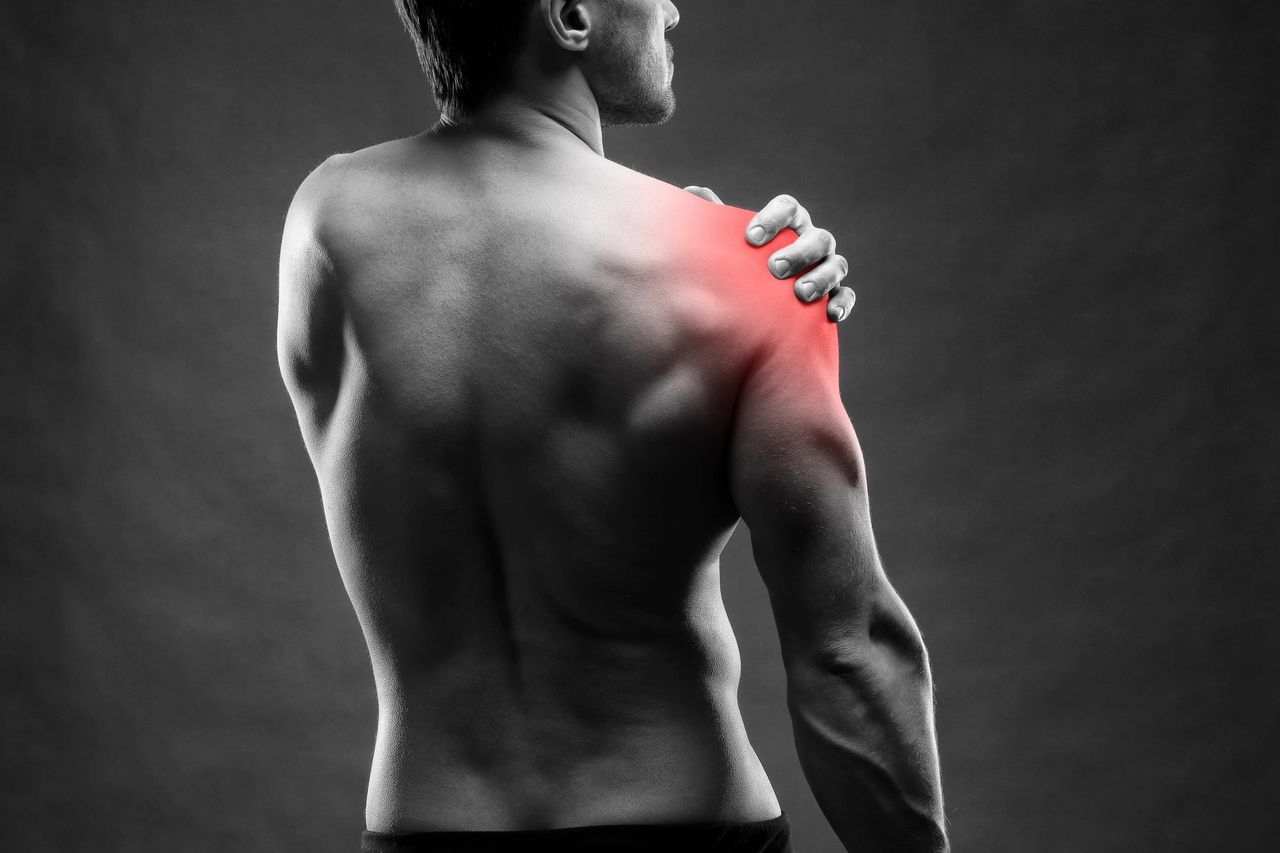
We’ve all experienced it; that burning, achy sensation that cuts right to the bone whenever you try to flex or move a muscle. Sometimes it lasts for days, and you just want it to end. It can occur in the chest, arms, legs, abdominals, neck, or back and it tends to have an effect on mobility and performance. Perhaps you experienced it after beginning a new exercise program or sport. It seems like there’s nothing you can do to get rid of the pain other than to just allow it to take its course. This pain is referred to as delayed – onset – muscle soreness (DOMS) and to be frank the exact mechanism of why it occurs is unknown to researchers. There are currently around six, main theories on exactly how DOMS occurs. None of these theories have been proven. This article will discuss DOMS, some of the theories behind it, its symptoms, myths, precautions, and treatments.
Occam’s Razor
Occam’s Razor is a philosophical approach to problem solving that suggests the most obvious and simple answer is the most likely solution. When it comes to DOMS what we do know is that it occurs most commonly post exercise or strenuous activity. To narrow it down even further, it most frequently occurs when there is a change to the acute variables of activity that one is accustomed to experiencing. An even greater focus on the subject has shown that DOMS is closely related to the eccentric (deceleration) of a muscle’s contraction. The acute variables of stimulus refer to the Frequency, Intensity, Time, and Type of stimulus the body is experiencing. The body responds to the change in variables by adapting to them and through the natural healing response. Therefore, we know that the pain is located inside the muscle and is generally the result of a new form of activity or exercise. What we don’t know is whether this is mechanical, chemical, or metabolic.
Muscle / Tissue Damage
One of the most common theories attributed to DOMS is that it is caused by damage of the muscle. A related theory is that it may be caused by damage to the myofascia of the muscle. What we do know is that during exercise, or manual labor, the muscle becomes damaged with microtears. We know this to be a fact. We also know that when the body experiences damage it triggers the healing response and inflammation is the initial phase of the healing response. Inflammation is also associated with the pain experience. Therefore, many theorize that due to the microdamage produced by exercise, the muscles become sore. They equivocate the degree of soreness with the degree of damage that has occurred within the tissue. Again, it is important to remember that at the time of this writing these are theories and have yet to be proven.
Muscle Spasm
Another common theory behind DOMS is that post activity, the muscles begin to spasm. As we know from the cumulative injury cycle spasm is one of the contributing factors of chronic injury as a direct result of acute injury. The theory here suggests that the microdamage caused by the stimulus that the body has not yet adjusted to sparks inflammation and muscle spasm. It is the spasm that is the mechanism of pain in DOMS and that the pain dissipates and fades as the severity of spasm decreases. Although it is likely in many cases, if not all that there is a degree of spasm associated with DOMS, it has yet to be proven conclusive as the root cause at the time of this writing.
Lactic Acid
Lactic acid is the metabolic byproduct of exercise. The molecular formula for lactic acid is CH3CH(OH)COOH. It belongs to a family of acids known carboxylic acids. It is the direct result of anaerobic respiration, such as that seen in weightlifting and sprinting. The purpose of lactic acid is to reduce the acidity within the biological ecosystem of the body. Lactate acts as a buffer within the cells. It is the by product of glycolysis in energy production and helps to clear the cells of pyruvate. During anaerobic exercise, the body requires lots of energy quickly. The body cannot provide this level of energy through the Krebs Cycle (oxidative energy system) and therefore relies on the ATP – PC energy system. Here Pyruvate is converted to lactic acid. It is essential in the production of NAD required for cellular energy. NAD is required to make Adenosine-Triphosphate (ATP); which is our body’s energy currency. It is the hydrogen ions which make it acidic and results in the burning sensation during exercise.
The theory behind metabolic causes of DOMS is that the body cannot clear the lactic acid from the system. This theory suggests that the soreness and burning is the result of leftover lactic acid. This theory suggests that the body will remain sore until the acid can be completely evacuated from the system. However, we know through testing in most cases lactic acid can be cleared from the body within 8 hours. Again, the metabolic theory behind DOMS is currently unproven and is yet at the time of this writing still a theory. That does not mean that DOMS is not caused by this, nor does it mean that tissue damage isn’t the mechanism behind DOMS. It simply means that there is no conclusive evidence to prove any of these theories.
Lack of Sleep

As we all know too well, the body requires sleep in order to function adequately. This is not a theory; it is a fact since sleep is essential for various aspects of healing and repair to occur. Sleep provides the body with adequate rest allowing some systems to temporarily shut down so that others may function optimally. Sleep is the mechanism for which balance occurs within the body. The effects of sleep are well known and established. These effects include the balance of metabolites and hormones required for normal regulation and bodily function. These effects have a wide range of impacts from mental and cognitive function to physical repair, endocrine balance, and cellular activity.
The theory that DOMS can be related to inadequate sleep is a broader perspective in that it suggests if the body is at a deficit of sleep, then the other systems of the body may also be working at a disadvantage. Therefore, the introduction of muscle damage to body will result in a delayed and buffered healing response. This will mean that there is a greater inflammatory response and ergo the tell-tale signature pain that follows the initial damage. There is no doubt that a lack of sleep will exacerbate any physical condition, but whether it is the primary mechanism of causation behind DOMS has yet to be proven.
Enzymatic Causes
Yet another theory circulating in journal studies is that DOMS may be caused through the coupling and conjugating of various enzymes within the cells. This theory is known as enzyme efflux. The theorized mechanism behind enzymatic efflux is a complicated subject that one will not attempt to explain within the texts of this article. However, much like the other theories behind DOMS, it still remains a theory and is yet to be proven.
Symptoms

When it comes to signs and symptoms, signs are objective and observable. Symptoms are those perceptions and feelings that are only experienced by the person affected and cannot be seen by an observer. Common symptoms experienced during DOMS are:
· Stiffness
· Reduction in range of motion and flexibility
· Burning in the affected area during concentric and eccentric contraction
· Aching while static
· Painful palpation (touching) of the affected area
· Weakness
· Limited function
· Slower reaction time
Symptoms of DOMS generally last from 24 to 72 hours. If the pain being experienced lasts longer than 72 hours and the severity has not been reduced. You should seek your physician. It is likely that you are experiencing something other than DOMS.
Myths
There are many myths associated with DOMS, particularly as it relates to the recovery aspect. Indeed, there is an entire industry dedicated to helping one get rid of sore and achy muscles. This includes the use of ice, compression, ultrasound, analgesics, and exposure to copper metal. It is important to mention that at this time there is very little evidence to suggest that ANY means of treating DOMS is effective. Sorry Dr. Bengue (BENGAY). As it turns out nothing that we know of can rid you of that annoying pain and hinderance to performance. There are some things that offer some support with mild evidence to support it.
Best Known Interventions
We have discussed the myths behind interventions that deal with DOMS. Here we shall discuss the best available interventions in dealing with this pesky problem.
Rest

As it turns out the best weapon against DOMS is rest. Allow the affected muscles to recover. Perhaps the best weapon to combat DOMS is to let DOMS take its course.
Active Recovery

The question arises, “Should I work through it”. The short and long to this is in most cases no. In some cases, depending on the severity light exercise won’t negatively affect it. The fact that it doesn’t negatively affect it doesn’t make it a cure. As the intensity of exercise during DOMS increase, so does the likeliness of further injury and prolonged recovery. Again, the term “Light” is subjective and leans heavily on one’s own conditioning, perception, and self-control.
Caffeine

As many are well aware of caffeine is a verifiable ergogenic aid. That is it is proven to have beneficial and positive effects when it comes to athletic / sports performance when used appropriately. The positive effects are numerous from enhanced energy to focus and mental clarity, endurance, and yes………positive effects against DOMS. Recent data has come to light that moderate caffeine use can lead to a reduction of perceived delayed onset muscle soreness. In the February 2007 issue of The Journal of Pain, a team of University of Georgia researchers found that moderate doses of caffeine, (roughly equivalent to two cups of coffee/ approximately 160 – 200 mgs caffeine), cut post-workout muscle pain by up to 48 percent in a small sample of volunteers. This study suggested pre workout / exercise doses of caffeine aid in reducing perceived soreness.
Another research article by Caldwell et. al suggests that ingesting caffeine in the days following arduous exercise to reduce pain. In this study, cyclists were examined using a caffeine group and placebo group. This study examined caffeine dosage in the morning and afternoons post exercise with 100 mgs of caffeine a day. The caffeine group demonstrated better lower extremity function and lower perceived pain post exercise than the placebo group. So, it appears that caffeine when applied properly can have a modest effect on DOMS. Unfortunately, there is not yet a standardized and agreed upon dosage or timing for the desired effect against muscle soreness.
NSAIDS
NSAIDS are Non-Steroidal Anti-Inflammatory Drugs. These are available over the counter at your local drug store and do not require a doctor’s prescription. Commonly known NSAIDS are Flurbiprofen, Ketorolac, Ketoprofen, Tolmetin, and Aspirin. I recommend Aspirin over Ibuprofen due to the dangers of liver damage in cases where chronic use occurs. As with anything else consult your physician before engaging in the use of any medical intervention to ensure you do not have a condition that is contraindicative to its use. NSAIDS help against the negative effects of the inflammatory process and aid in improving blood flow. NSAIDS have modest evidence pointing to some efficacy in certain groups experiencing DOMS. NSAIDS are not however a prophylaxis or a cure.
Massage

Massage has shown to have modest effects on reducing the duration of pain and increasing functionality in those experiencing DOMS. Most of the evidence suggesting this points to one study done by Torres et. al. This study was done in 2012 and was titled, “Evidence of the physiotherapeutic interventions used currently after exercise-induced muscle damage: systematic review and meta-analysis”. It should be noted that this was a recognizably flawed study and there is plenty of evidence pointing the opposite way as well.
Heat

Like massage there is some evidence that heat in the days following arduous exercise has beneficial effects on pain and functionality of the effects of DOMS. Interventions like saunas, heat pads, and hot baths with jet massage have some evidence of efficacy. Unfortunately, the evidence is modest, and it is not a cure.
Percussion and Vibration

There is some evidence that supports percussion devices can aid in improving function, range of motion and flexibility in muscles experiencing DOMS. However, at this time there is no supporting evidence that these devices will aid in pain reduction in any way.
Precautions
DOMS may sometimes be confused with muscle strains. Additionally, if one experiences prolonged severe pain and sickness accompanied by the production and excretion of brown urine you should seek a physician’s help immediately. In some cases, the lay person may associate the symptoms of a condition known as Rhabdomyolysis with DOMS. This is a severe condition frequently associated with burns and crushing injuries and is essentially protein poisoning. In the case of Rhabdomyolysis, the tissue has become so damaged that the muscle itself is broken down into proteins and is being evacuated from the body. This overwhelms the kidneys and results in organ shutdown. There are many cases where this occurs following arduous exercise or manual labor.
Conclusion
DOMS is a common occurrence in those who exercise regularly. This is especially true with those you use a progressive training model and implement sustained linear progression or those who participate in extreme endurance events. It is also common in those who are new to an exercise program. It is important to know and understand the mechanism of injury as well as the precautions, myths and treatments associated with it. By knowing and understanding DOMS we can also recognize when what we may be experiencing isn’t DOMS and is in fact something else. You may be experiencing something more serious. When it comes to treatment there isn’t much that we know of that has a powerful effect against it. However, if you are using something and you feel it works and it makes you feel better, then continue to do so. There is some benefit to a placebo effect. As you can see the one thing that we absolutely and collectively know about DOMS in the scientific community is that we really don’t know much about it. With that, it is important to state that the more I learn about science, health, and medicine, the more I learn what I don’t know. This is important in everything in that it keeps us hungry and striving to learn and improve.
“True wisdom is knowing what you don't know”
— Confucius
SPONSORED ADS
Our world is changing faster than many can keep up. “THE NEW NORMAL” Only it’s not new and it’s not normal. Society has been slowly put into retrograde by an elite class who wants to bring about “The fourth industrial revolution”. Like frogs in a slow boiling pot, society has become conditioned to ceding their individual rights, censorship, mindlessly obeying government and rejecting logic and reason. If you enjoyed this article and others on this site, you will also enjoy 1984 Redux Say Hello to Big Brother. The book was so accurate about the corruption in government and the international cabal of corporate globalists that Amazon banned 5-star reviews of it, shadow banned it and refused to abide by their contractual obligations to promote it. This is why the book can no longer be found in print and is ONLY AVAILABLE HERE.

Learn Anatomical and biomechanically effective, lethal self-protection techniques designed by a Special Forces soldier for a Special Forces Team. Combat Application Techniques: Principles of Destruction was designed for elite operatives to use in the caves, urban areas, and front lines of the Global War On Terror (GWOT) and is NOT a martial art. The system that was once ONLY taught to military, law enforcement, and civilians who were vetted by police background check is now available to you in this digital eBook. ONLY AVAILABLE HERE

Other Articles you may like
General Adaptation Syndrome & Specific Adaptation
Injury Prevention: Joint Injuries
From Static Stretching to Dynamic Exercises: Changing the Warm-Up
How to Correct Rucking Postural Deficiencies and Muscle Imbalance
Self-Myofascial Release for Trigger Point Release
Three Stages of The Body's Healing Process
Muscle Adhesions and Why They Occur
Max U LLC is a 100 percent VA Disabled Combat Veteran Owned Small business. This blog is part of Max U's commitment to the consumer by providing education on health, wellness, and rugged individualism through teaching exercise science, and practical life skills free of cost. Although contribution it is not necessary, any donation to help keep the site running is helpful and appreciated.
.png/:/cr=t:0%25,l:0%25,w:100%25,h:100%25/rs=w:1280 "Click Here to Donate")

