4 Lifestyle Changes to Improve Your Quality of Life
Andy Curtiss, BEXSc, NASM - CPT, CES, PES; SNC, CNLP

Increase weekly physical activity
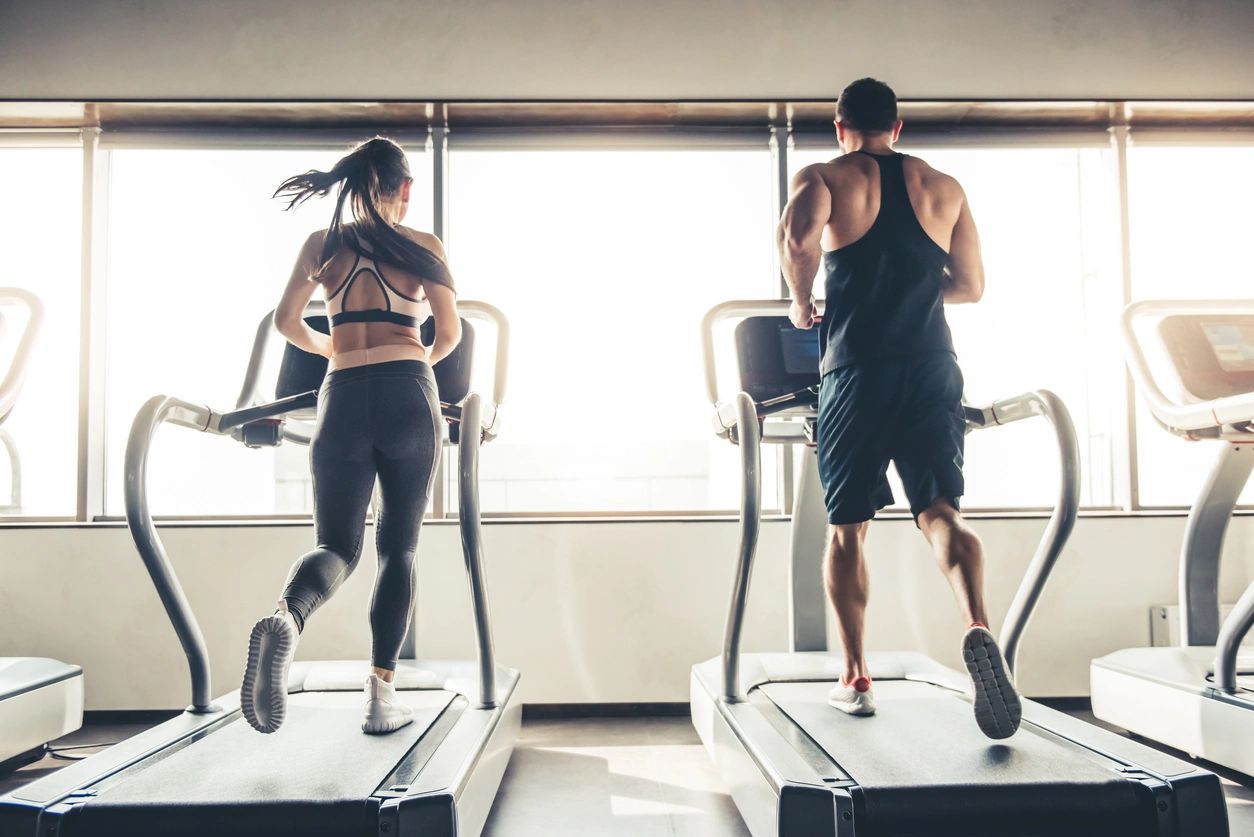
Its proven that people who exercise at least 30 minutes a day, up to 5 times a week for a total of 150 minutes weekly are less likely to be overweight or obese. They are also less likely to get sick or suffer from chronic disease. The National Institute of Health (NIH) Recommends as little as five – 30 – minute sessions of moderate to high intensity exercise a week to stave off poor health and obesity
Stop after dinner snacking
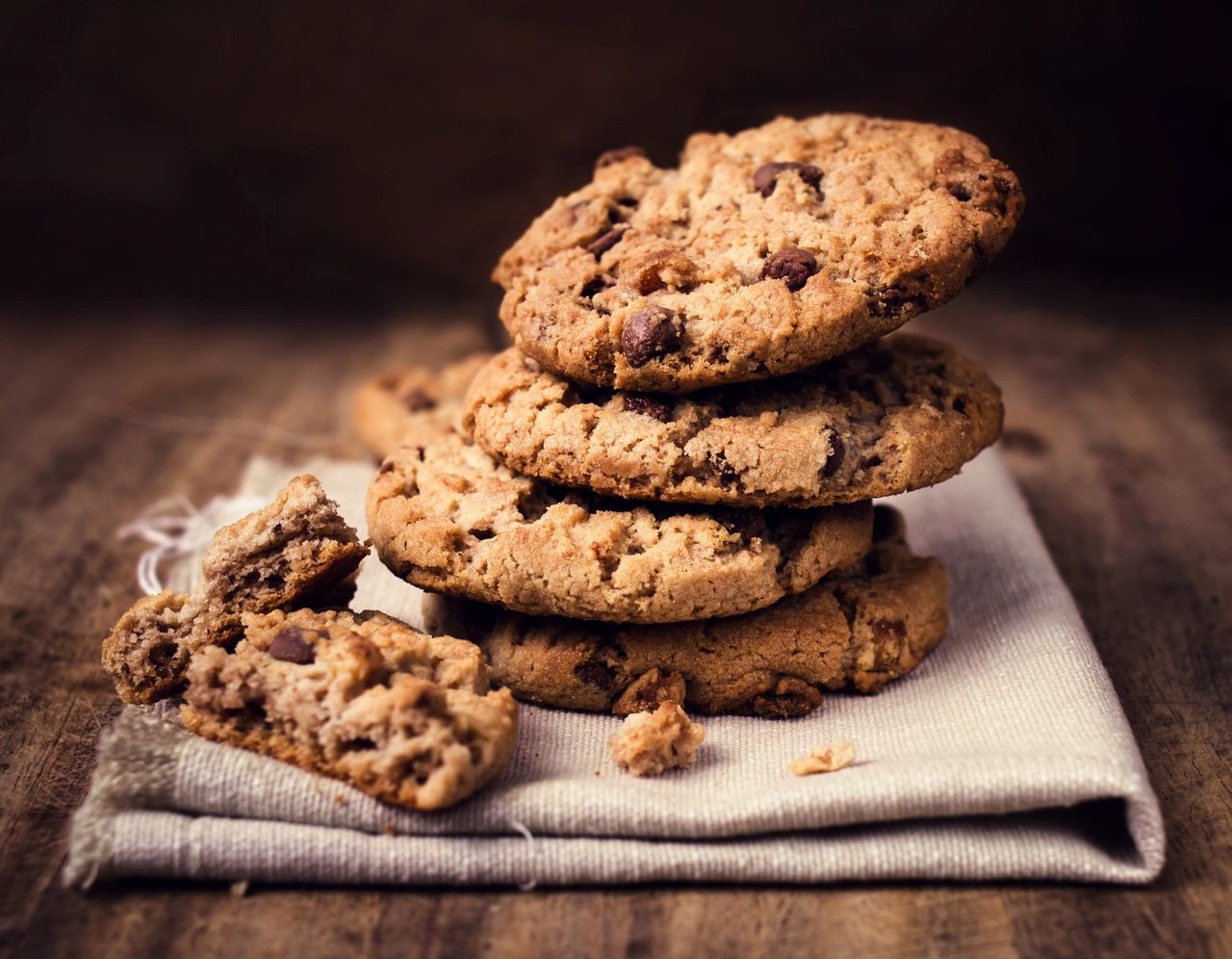
The literature has shown that those who tend to snack more after dinner are also more likely to show signs of insulin resistance. Insulin resistance can lead to overweight, obesity, metabolic syndrome, and Type II Diabetes Meletus. This is particularly true for those who snack closer to bedtime.
Go to bed an hour earlier each night

Studies have shown that getting to bed earlier leads to feeling more energized in the mornings. This can have benefits that last throughout the day. They also show that those who go to sleep earlier tend to wake up earlier. That extra time in the morning is a great time to squeeze in early morning activity that we often feel too tired to do at the end of the day.
Drink more water
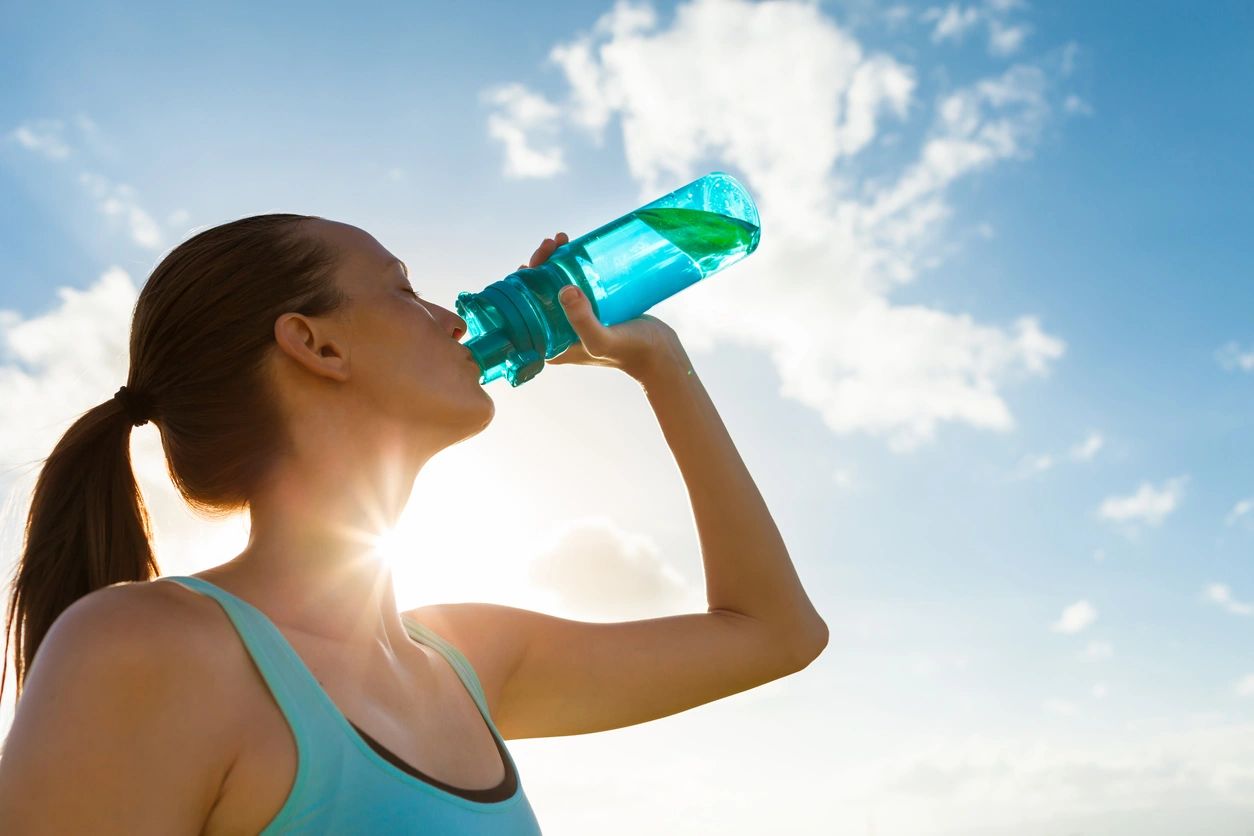
The body is comprised of more than 70 percent water. Water is the substance that makes up the majority of the content in all of our cells. Many people walk around in a state of chronic dehydration. Frequently people mistake the body’s signal and urge to hydrate for hunger and engage in snacking. This tends to lead to overeating and caloric surplus which contributes to weight gain. Remaining in a steady state of adequate hydration makes the body feel satiated and less likely to engage in overeating. It will also help you perform optimally.
"An apple a day keeps the doctor away.”
– Benjamin Franklin
Other Articles you may like
WHY YOUR HEALTH IS SO IMPORTANT TO YOUR LIBERTY
SELF ASSESSMENT: Your Key To Success
IS YOUR EXERCISE PROGRAM FITT? (Understanding acute variables)
How do training variables change with age?
Health Risk Assessments: Be your own health advocate
Got Cardio? Mechanics of Aerobic Exercise
OBESITY: In The Age of Comorbidity (VIDEO PRESENTATION)
Psychological Skills Development

