Three Stages of The Body's Healing Process
Andy Curtiss, BEXSc, NASM - CPT, CES, PES; SNC, CNLP
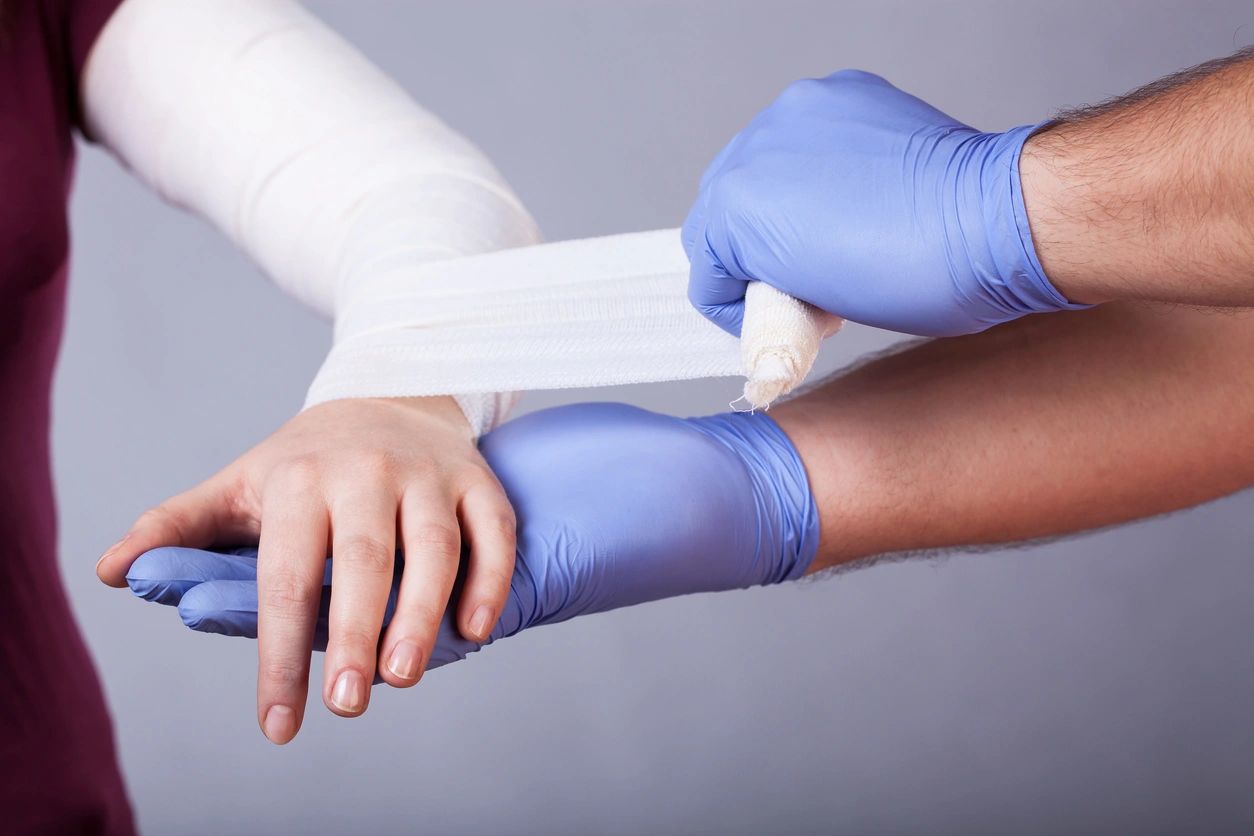
Everybody has experienced what its like when you get cut. If you haven’t been cut, then you have likely been scraped or bruised. But what happens when you get injured? Why is it that we just don’t bleed out and die, and how does blood clot? We hear all the time that the external environment has pathogens and bacteria that can cause infection; why is it when we get scraped or cut, that we don’t always get infections? The answers to these questions lie within the innate immune system and the healing process. This article seeks to educate you on the 3 stages of healing and introduce you to the innate immune system. Healing can be broken down into three stages, Inflammation, Proliferation, and Remodeling.
Inflammation
The human outer membrane and protective layers of the skin (The body’s largest organ system) are broken which causes damage to capillaries and blood vessels, that results in spasm. The capillary spasm results in the constriction of the vessels. This is due to receptors in the smooth muscle and endothelium (inner most membrane) of the blood vessels. When these receptors sense a change in hemostasis (the regulation of blood flow), a cascade of events is set into work. First the receptors of the smooth muscle of the blood vessels cause spasm and constriction, which mitigates further loss of blood. The receptors in the cells of the endothelium regulate thrombosis (clotting) by signaling the production and delivery of more platelets to the site of injury. The platelets begin the clotting process. Sometimes people include hemostasis as its own stage in the healing process. When the four-stage model is used hemostasis is generally viewed as the first stage. For the purposes of simplicity this article describes three stages.
Read More at the Max U Blog...... Three Stages of The Body's Healing Process
Other Articles you may like
How Cells Work & Why You Should Be Aware of mRNA Vaccines


